this is a private blog for my design students and assorted other survivors. Tro blemakers all
this is a private blog for my design students and assorted other survivors. Tro blemakers all.

Monday, November 20, 2006

things most remarkable No.2
for extra marks - identify each
object or person, beyond the
meerly obvious.
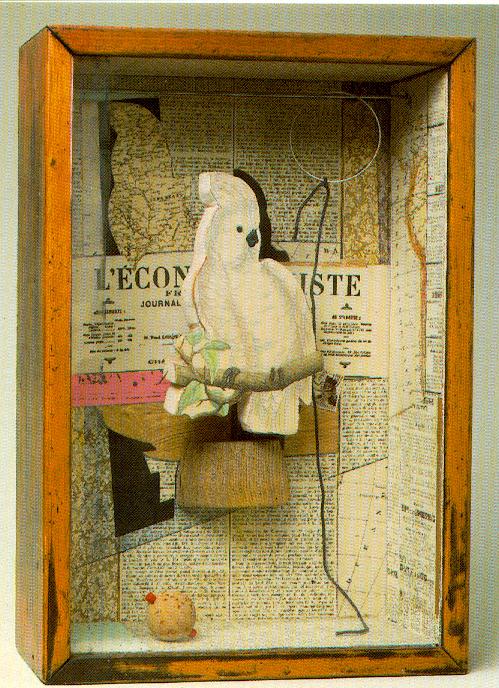
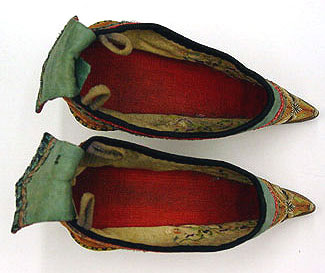


hints: 1. a reluctant surrealist 2. every step a lotus

we have a winner ! both Joseph and Chanel, bravo !
Sunday, November 19, 2006


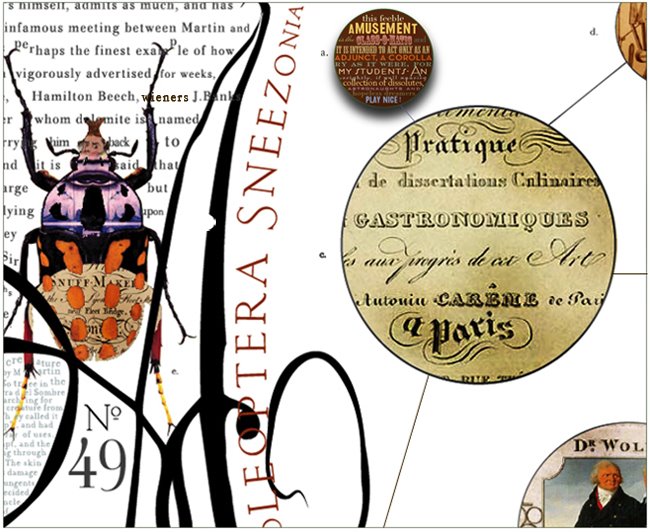
New York City Field Trip April 06
el clicko a enlargo


Met Won’t Show a Grosz at Center of a Dispute

By ROBIN POGREBIN
Published: November 15, 2006

In response to an ownership dispute, the Metropolitan Museum of Art says it has decided not to borrow a painting by George Grosz from the Museum of Modern Art for an exhibition of German Expressionist portraits that opened yesterday.

“The Poet Max Herrmann-Neisse” (1927), by George Grosz.
click to enlarge
The artist’s estate argues that it is the rightful owner of the 1927 portrait of the poet Max Hermann-Neise, & another work by Grosz in MoMA’s collection. MoMA, which has been discussing the issue with the estate for three years, counters that it has thoroughly investigated the claim and has concluded that it has no legal basis.
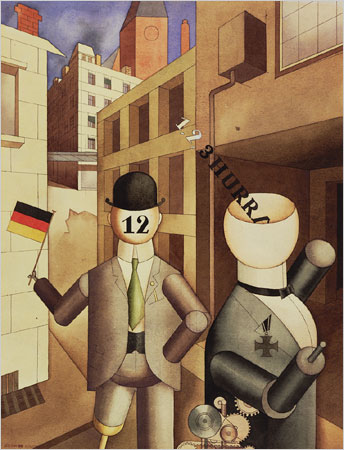
Rather than the 1927 painting, the Met is featuring a 1925 portrait that Grosz painted of Herrmann-Neisse, borrowed from the Städtische Kunsthalle in Mannheim, Germany, in the exhibition “Glitter and Doom: German Portraits From the 1920s,” which opened yesterday.

“We don’t want to be in the middle of any challenges or discussions,” said Harold Holzer, a spokesman for the Met. “It seemed more prudent to have the earlier version.” The Grosz estate has not taken legal action against MoMA, although the estate’s managing director, Ralph Jentsch, said in an interview that he was considering it.

“It’s our property,” said Mr. Jentsch, who says he was appointed to his post by Grosz’s two sons, Peter and Martin, in 1994. (The elder son, Peter, died in September at 80.) “It doesn’t belong to MoMA.” According to correspondence provided by the estate, it first advanced its claim to the two paintings in a letter to MoMA on Nov. 24, 2003. Mr. Jentsch argued that they were sold without the consent of the artist, who had consigned them to an art dealer, Alfred Flechtheim, in 1928-29.

Both Grosz and Flechtheim fled Germany in the face of Nazi persecution, the letter noted. (Grosz’s art and politics were viewed as unpalatable by the regime, and Mr. Flechtheim was Jewish.) The artist left a few weeks before the Nazis came to power in 1933, Mr. Jentsch wrote, “and Flechtheim fled to Paris when his gallery in Berlin was confiscated” afterward. Mr. Jentsch said that the Herrmann-Neisse portrait was confiscated by the Nazis in 1933 at the Flechtheim Gallery in Berlin and that it reappeared in 1952, when it was bought by the Modern for $850 from Charlotte Weidler, a German immigrant.

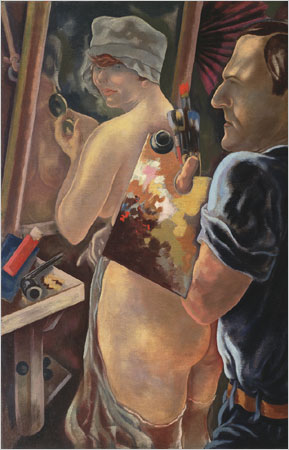
He says the other disputed painting, “Self-Portrait With a Model” from 1928, was sold for $10 in 1938 “at a deceitful auction” in Amsterdam to which it was consigned by Mr. Flechtheim.

MoMA acquired the self-portrait in 1954 as a gift from the children’s author and illustrator Leo Lionni, who had tried to auction it shortly before. (It did not meet its $110 reserve price, auction records show.) “As these Grosz works would not have been lost if Flechtheim and Grosz had not had to flee Germany in order to save their lives, the George Grosz Estate claims restitution,” Mr. Jentsch wrote.

But MoMA says that Ms. Weidler sold the Herrmann-Neisse portrait through a dealer who was a longtime friend of Grosz and that the artist was aware that the Modern had acquired it. The museum says Alfred Barr, MoMA’s founding director and a friend of Grosz’s, even invited the artist to sign the canvas.

“Republican Automatons,” a 1920 watercolor by Grosz at MoMA; the work’s provenance is still being researched by the artist’s estate.

It also questions why Grosz, who died in 1959, failed to ask that the Herrmann-Neisse portrait be returned when he saw it at the museum. But Mr. Jentsch said, “What was he supposed to do, walk in there and say, ‘That’s my painting’?” Mr. Jentsch also quoted from a letter in German that he said Grosz wrote to his brother-in-law in 1953: “The Modern Museum exhibited a stolen painting of mine. (I am powerless.) They bought it from someone who has stolen it.”
Although Mr. Jentsch originally sought the restitution of a third work by Grosz, the 1920 watercolor “Republikanische Automaten” (or “Republican Automatons”), he said he later determined that the provenance of the 1920 watercolor required more research.

In MoMA’s first response to the estate, dated Dec. 4, 2003, Glenn D. Lowry, the museum’s director, wrote: “I take the matters you raise very seriously, and I have directed my staff to treat this as a matter of the highest priority.” At one point Mr. Lowry suggested to Mr. Jentsch that the museum and the estate share ownership of the paintings for a period of 5 or 10 years, while ownership was in dispute. If no determination were ultimately made, he suggested, the two could share custody in perpetuity.

“Before we remove a work from the museum’s collection,” Mr. Lowry said in a July 2005 letter to Mr. Jentsch, “we need to establish convincing and conclusive evidence that another party — in this instance the estate of George Grosz — has ownership rights superior to the museum’s.”

In January 2006, as discussions seemed to be approaching an impasse, MoMA asked Nicholas deB. Katzenbach, a former attorney general and undersecretary of state in the Johnson administration, to conduct an independent investigation to assess the claim. Three months later Mr. Katzenbach recommended that MoMA reject the claim.

“There is nothing in the record — nor does Mr. Jentsch indicate any facts — suggesting any bad faith, negligence or questionable conduct at any time by anyone connected with MoMA,” his report said. Mr. Katzenbach noted that when Grosz saw the Herrmann-Neisse portrait at the museum, he did not ask that it be returned or that he be compensated. Had he done so, the report added, “not only would the museum have had the opportunity to ascertain the facts when they were still reasonably fresh and knowable, but it would have had the opportunity to resolve the matter then and there at relatively little cost to it.”

This is not the first time Grosz works have been the subject of controversy. The Grosz estate filed a lawsuit in 1995 against the Manhattan art dealer Serge Sabarsky, arguing that Mr. Sabarsky had deprived the estate of appropriate compensation for the sale of hundreds of Grosz works he had acquired. The lawsuit was settled last summer.

Although Mr. Jentsch agreed to cooperate with Mr. Katzenbach’s inquiry, he rejects his conclusion, partly because, he says, Mr. Katzenbach failed to translate some of the German documents Mr. Jentsch had given him Mr. Jentsch said he was meeting with lawyers and would decide by the end of the month whether to file a court challenge. If his bid to recover the paintings were to succeed, he added, he would display them in a new Grosz museum he hopes to found and direct.

If the portrait of Herrmann-Neisse were put up for auction today, it would probably fetch about $2 million, market experts say. But Mr. Jentsch said, “We’re not interested in making money.”

George Grosz’s “Self-Portrait With a Model” (1928),
one of two works at MoMA to which the artist’s estate
has laid claim for several years.

Monday, November 13, 2006

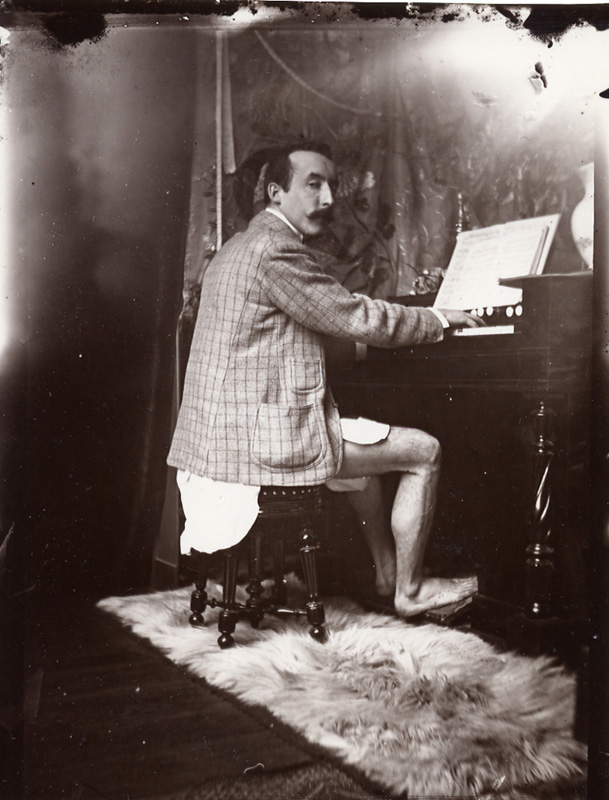
things most remarkable No.1
for extra marks - identify each
object or person, beyond the
meerly obvious.


hints - 1.a family affair 2.Somerset
second hints, you losers - 1. Thomas and Josiah
2. loved Tahiti

We have a winner ... oops ... I've forgotten ... more later

Saturday, November 11, 2006

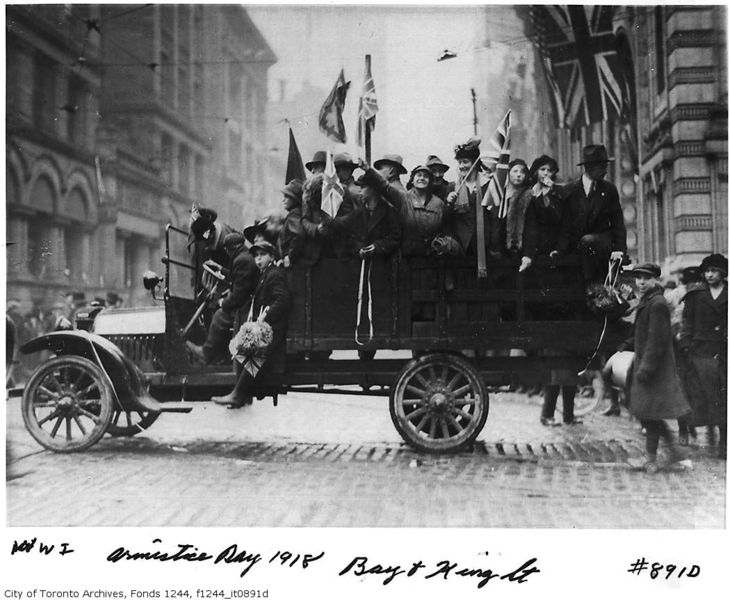
1918 Toronto, Bay and King streets Armistice Day


click for more clarity

Armistice Day
is the anniversary of the official end of World War I, November 11, 1918. It commemorates the armistice signed between the Allies and Germany at Compiègne, France, for the end of hostilities on the Western Front, which took effect at eleven o'clock in the morning — the "eleventh hour of the eleventh day of the eleventh month." While this official date to mark the end of the war reflects the ceasefire on the Western Front, hostilities continued in other regions, especially across the former Russian Empire and in parts of the old Ottoman Empire.

They had hoped, it was the war to end all wars ...

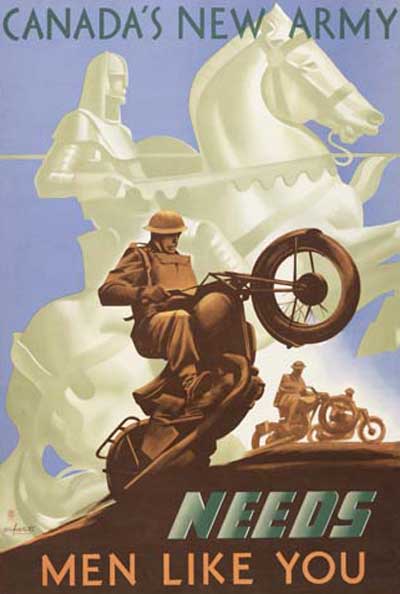
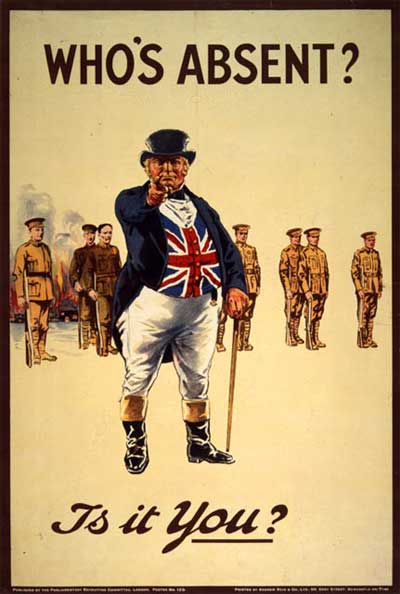
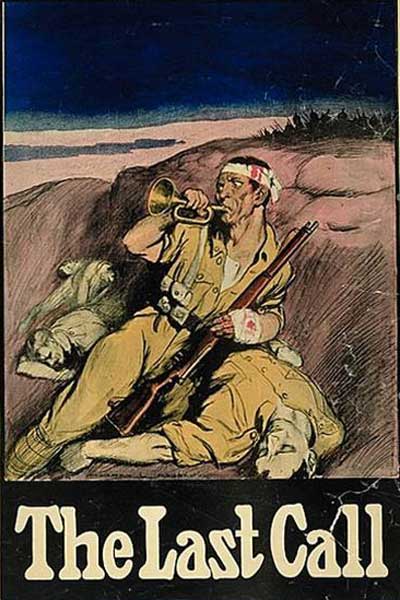
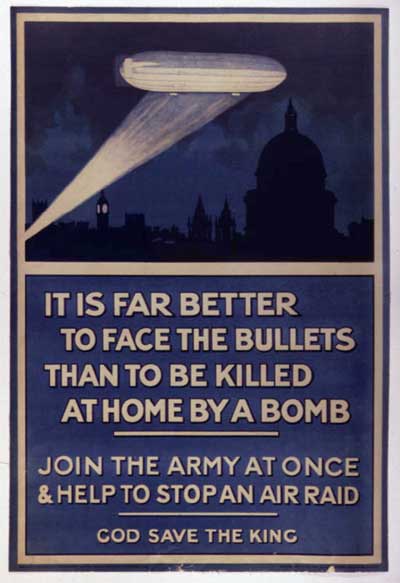
In some ways the visual Arts and in particular Graphic design, have long played a pivitol role in the mechanisms of War. Propaganda, has always been used - for good or for bad, to articulate a nation's motivations, to define or defile an enemy, or to incite a nation to Peace or to War. here are a few examples from the First World War.

click to enlarge


for more information about the First World War go to www.firstworldwar.com
two beautifully strange photographs by the young German photographer Loretta Lux. They're both interesting studies in colour and light, and clearly intended to be surreal. The boy, with his baroque fluted 17th.century collar, could easily be a fugitive from a Spanish Court painting by Velazquez, except that the light, clothing and manner - is mid-america 1960's and reminds me of those old, faded family photos.The light and sense of place in both images, is tentative, and the lighting is similarily contradictory - both washed out,and vivid at the same time ? ( I dont know she does it ? ) Simple subjects and an exceptional command of light and composition.

to see more
http://www.lorettalux.de/
On June 10th 1947, SAAB showed the world the car's prototype, but the first run of 20 cars did not leave the factory until the Summer of 1949. Full scale production wasn't until December and the car was available in only one color: green. Directional arrows were standard but lights were optional!.
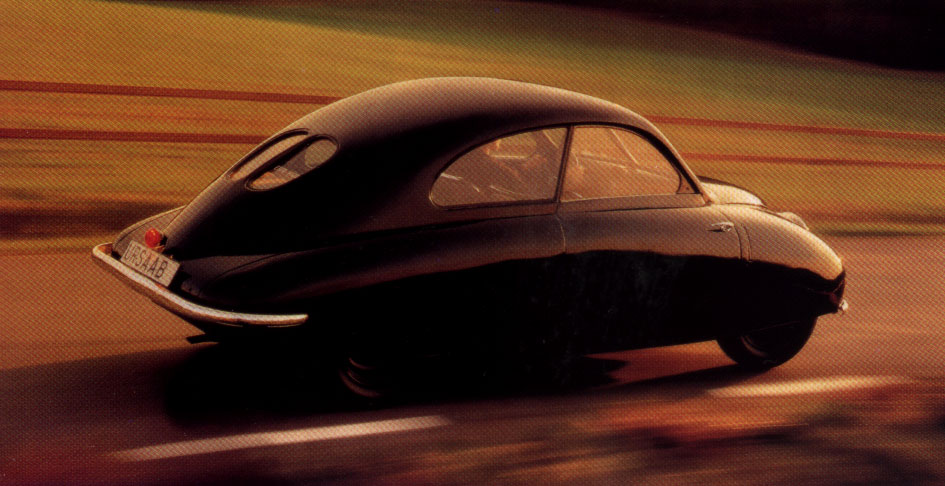
The Saab 92 had a two cylinder, 2 stroke, 28 hp engine. ( rather small I guess, but no doubt enthusiastic.) but...

The extremely aerodynamic shape, gave the car a superb drag coefficient of 0.35. One rather odd thing, about this lovely car, was the absence of a boot (trunk) lid. Access to the luggage compartment which also contained the battery, .. of course.. was thru the back seat. An improved model, the 92B was introduced in the Autumn of 1952.


But do note dear students, that there's a elemental difference between the sinuous lines of Art Deco & Art Nouveau - and the stylistic innovations of Machine Age streamlining.

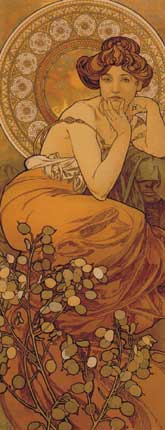
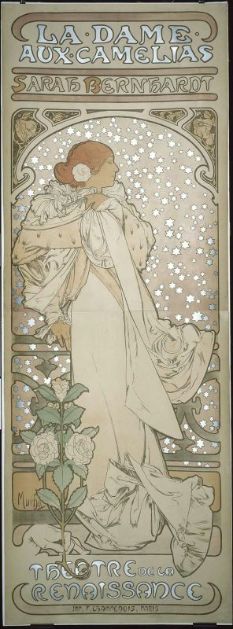
Art Deco and Art Nouveau were both of European birth, and both presumed an aristocratic consumer, knowledgeable about styles and the earlier high arts, and who were largely predisposed to favour handcrafted productss, and ornate rare materials; the other, Streamlining on the other hand, was largely an American invention, and aimed at the widest possible public, and built on its admiration for industry and its enchantment with all forms of speed.

Champions of Art Deco, found it expressed in expensive public buildings and fashionable private collections. Streamlining rather, was egalitarian, adding modern beauty to useful designs--from lamps to Mixmasters to the most excellent 1950's Edsel --priced for everyone.

One characterized decorative arts in the 1920s, the other dominated industrial design in the 1930s and beyond. The rise of streamlining and twilight of art deco in the United States were hastened by the stock market crash.

It was also apparent by the mid 1930's that the world of tomorrow, embraced not opulent material rarities like rosewood and macassar, but aluminum and plastics, and it belonged more to, not artists in their studios but industrial designers in factories, not to connoisseurs in small esoteric shops, but free-spending mass consumers. Apart from their preference for metallic surfaces and the disdain they inspired in functionalists, art deco and streamlining had little in common.

remember your Streamlined Decade assignment !

Friday, November 10, 2006

would you like tea with your Kitty ?


Alfons Mucha was a very influential designer
in his time, but is rarely noted in the chronicles
of art history. He, likely more than anyone else,
is responsible for the "art nouveau" style that
developed around the turn of the 2o th. century
in western Europe. Mucha applied his considerable
talents, to a wide array of design pursuits which
included: painting, sculpture, poster and magazine
design as well as product and architectural design.


click to enlarge

bloody good advice even today ! Ha ..! an American Govt. "civil defence" advertising initative - circa 1920's - trying to inform the indifferent .. Yo Dude .. - where my soap ? Sterling proof that design should not be attempted by committee, or idle bureaucrats looking for a buzz.


for a chuckle, click to enlarge
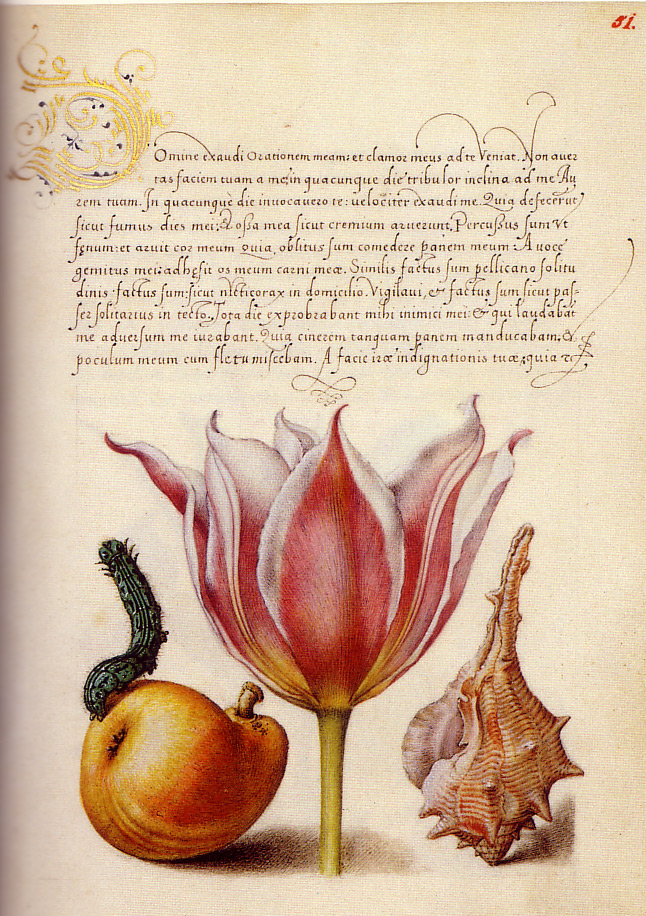
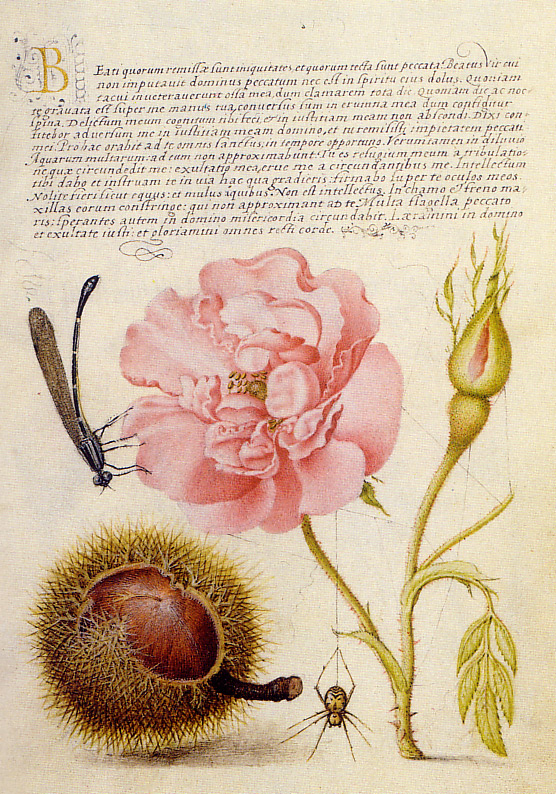
the extraordinary Joris Hoefnagel

" Self-taught artist Joris Hoefnagel was a pivotal figure in the history of art from the Netherlands, both as the last important Flemish manuscript illuminator and one of the first artists to work in the new genre of still life."
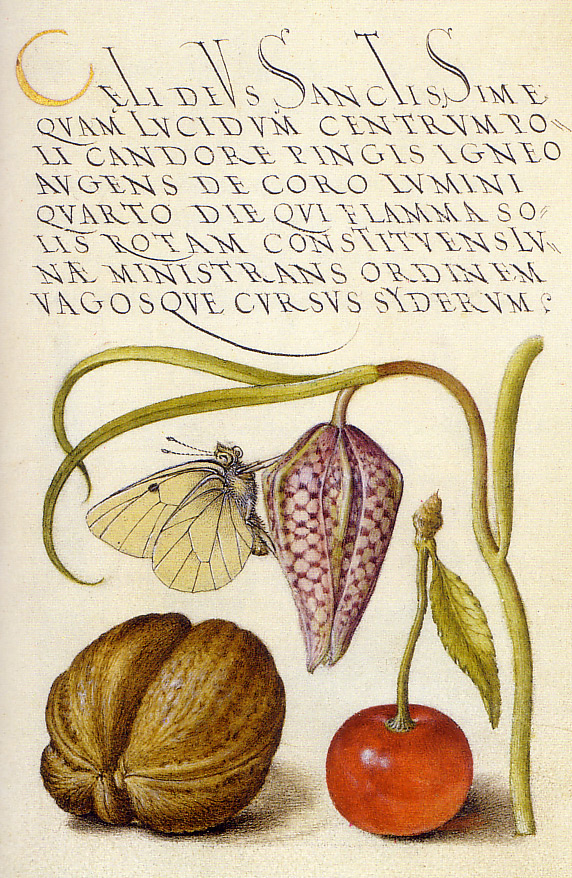
A true Renaissance man, Hoefnagel wrote Latin poetry, mastered several languages, played a variety of musical instruments, and sold drawings, in addition to making topographical drawings, maps, oil paintings, and
illuminations.

Born to wealthy merchant parents, Hoefnagel traveled to England, France, and Spain in his youth, recording his experiences in topographical, anatomic and naturalistic drawings.

Many of these were later used as models for a six-volume atlas.
In the autumn of 1577, after Spanish troops had invaded Antwerp, Hoefnagel journeyed south with the cartographer Abraham Ortelius.

During this trip, Albert V, duke of Bavaria, ( no not the Duke of Earl) hired Hoefnagel as a court artist.

It was at this time that Hoefnagel completed his first major work, a multi-volume book of natural history miniatures.

In 1591, Hoefnagel was appointed court artist to Holy Roman Emperor Rudolf II, a collector known not just for his art but for his Kunstkammer, or cabinet of curiosities.

For Rudolf, Hoefnagel again demonstrated his astounding technical facility when he added illuminations to a manuscript completed thirty years earlier by the celebrated scribe Georg Bocskay.

click to enlarge
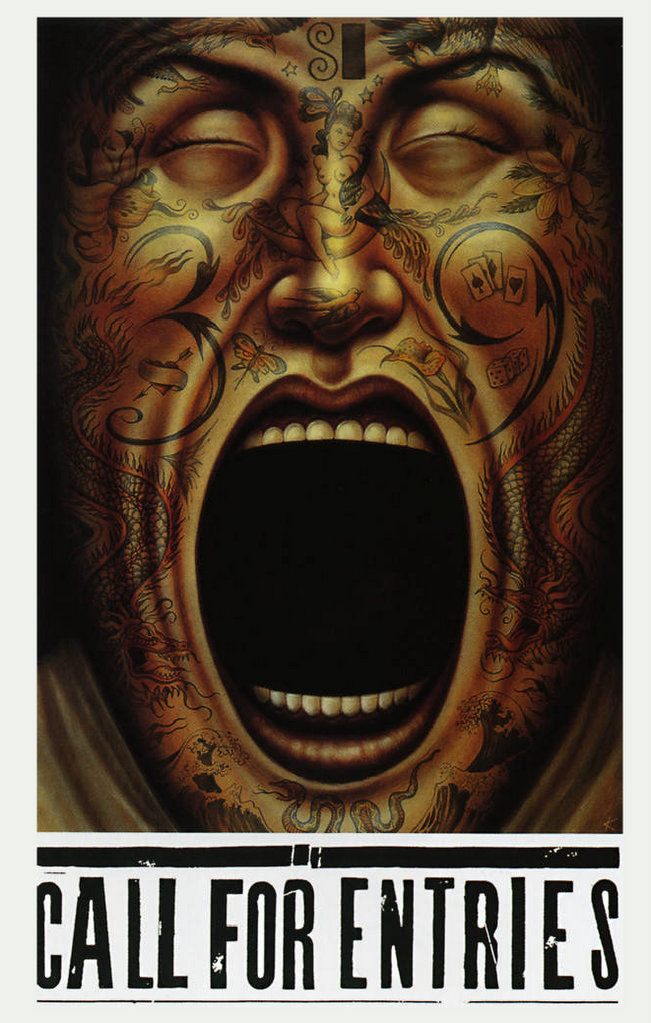
An advertisment for the Society Of Illustrators, calling for the submission of
illustrations for the 39th.Illustrators Annual (1996) designed by D.J.Stout,
illustration by Anita Kuntz


click to enlarge ( O ... go on, you know you want to .. )


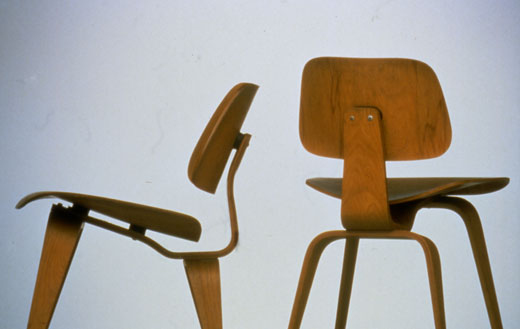
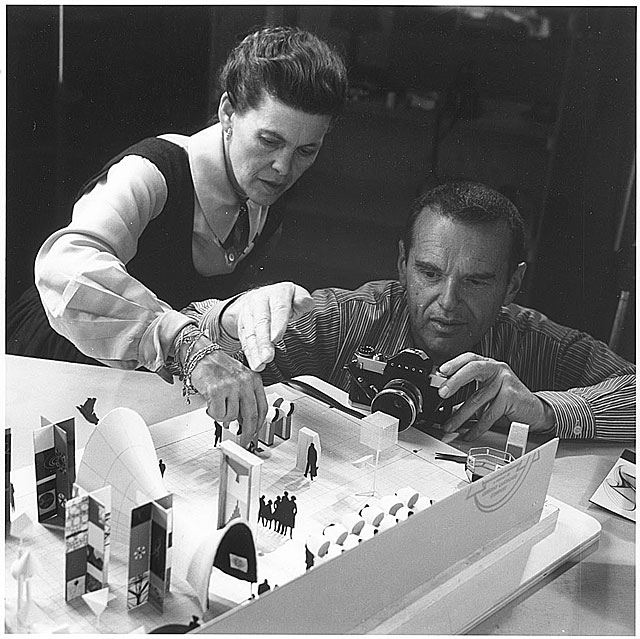
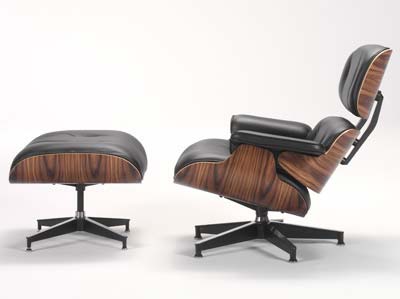
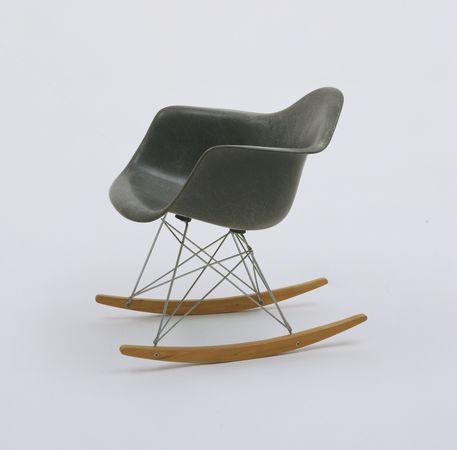
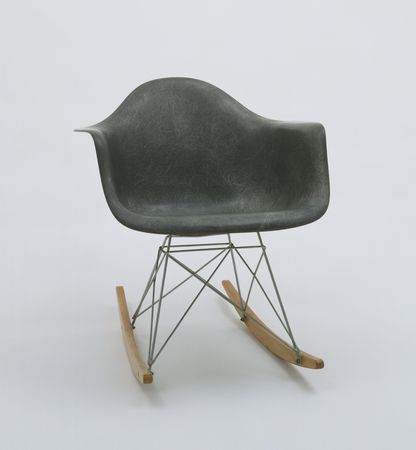
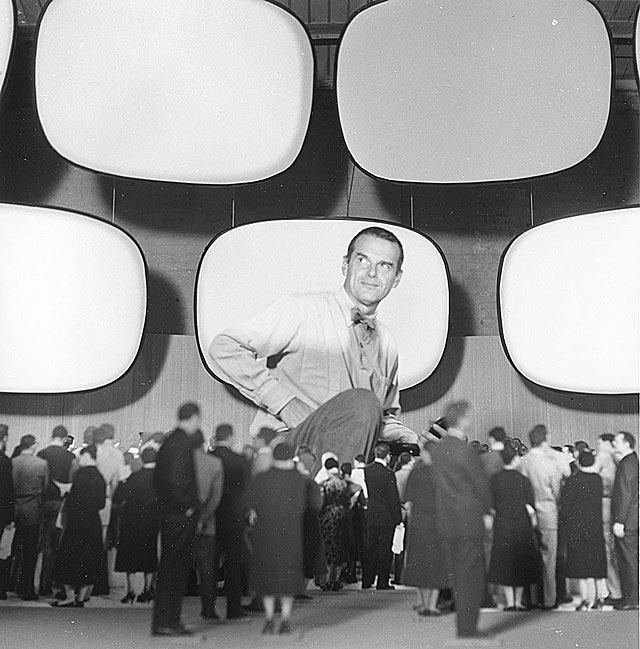
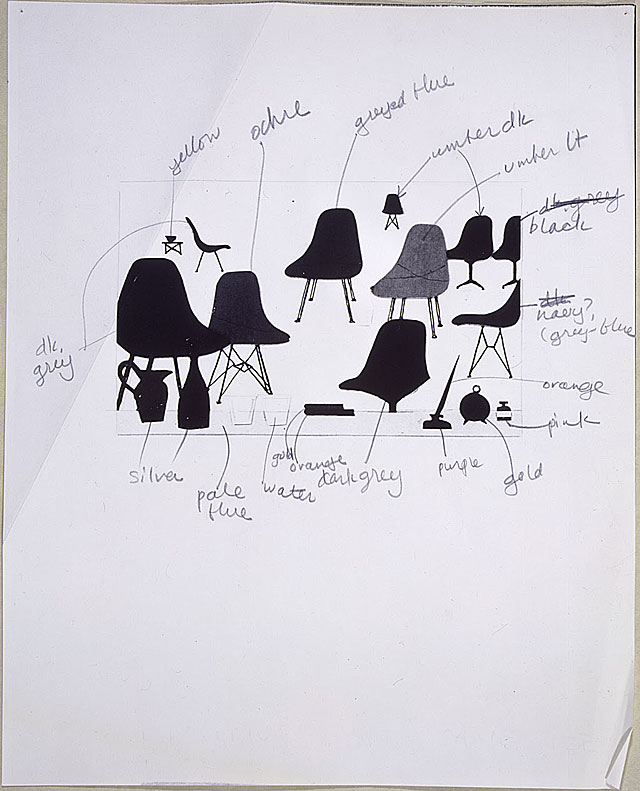
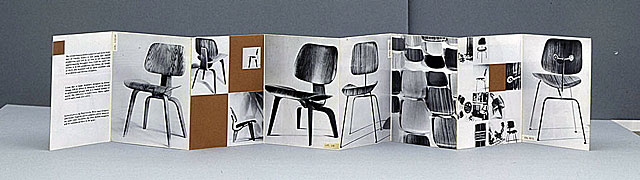
Charles Eames (1907-78) and Ray Eames (1912-88) " gave shape to America's twentieth century." Their lives and work represented some of their nation's defining social movements: the West Coast's coming-of-age, the economy's shift from making goods to the producing information, and the global expansion of American culture.


The Eameses embraced that era's visionary concept of modern design as an agent of social change, almost elevating it to a national agenda. Their evolution from furniture designers to cultural ambassadors, demonstrated their boundless talents and the overlap of their interests with those of their country. In a rare era of shared objectives, the Eameses partnered with thefederal government and the country's
top businesses ( like IBM) to lead the charge to modernize postwar America.


Charles and Ray Eames's careers in the 1950s mirrored America's postwar shift from an industrial economy of goods to a post-industrial society of information. Rather than furnishings and buildings, the Eames Studio focused its efforts on communication systems - such as exhibitions, publications, and films.

The Eameses produced these media for governments at home and abroad, for industry, and for the education and pleasure of their friends and colleagues. In these activities the Eameses used the familiar imagery of daily rituals and entertainments, vernacular landscapes, and ordinary objects to promote popular culture as the currency of exchange between nations and people. These communications projects elevated Charles and Ray Eames to the status of cultural ambassadors and interpreters of the meaning of America cultural style and its expression.


Assignment: Digital 2 - "Design as an agent of social change", two pages double spaced - with copious illustrations. A reasoned, well researched, persuasive analysis on the role of design as an agent of change - find examples, good ones.

If you dont do this within 2 classes, you will not be allowed to come on the free Hawaii trip at Christmas.

Tuesday, November 07, 2006

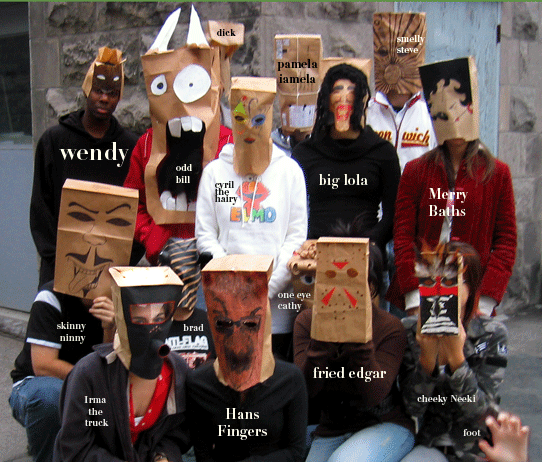
Digital 2 Halloween Paper Bag Mask Assignimento


actually called TJ,Veronika,Adamantia,Eriqué,smElliot,Marena,Quenton Crisp,Pamela,Alina, Peter,Megan,Neeka,Melanie,Brennan,Nobby Stiles,Catherine,and Chris who didn't do his homework,again.

Thursday, November 02, 2006

the Crazy Gnarls Barkley song and video

This video was directed by graphic designer Robert Hales, who previously directed the music videos for "Are You Gonna Be My Girl" and "Look What You've Done" by Jet, "Starfookers,Inc." by the Nine Inch Nails,and Richard Ashcroft's "Money to Burn".

It uses a very innovative combination of traditional 2-d hand drawning, and animation techniques like, rotoscoping - where you project film footage onto a glass screen, and then trace the images frame by frame on paper -then film or video each drawing, which you later animate/edit digitally - as well as an ink dripping technique over paper and water.

All these parts are then carefully synched in a layer compositing software such as Adobe After Effects, then in a sound editing program like Apples's Logic. It does takes a lot of time and creativity, and of course hard work, but the video is not particularily complicated or technically difficult.

Robert Hales' skill and invention, is, in the making of the video's visuals, the main ingredient


The Invention of Printing
Movable type, invented by Johannes Gutenberg in Germany
in the early fifteenth century, revolutionized writing in the
West. Whereas scribes had previously manufactured books
and documents by hand, printing with type allowed for mass
production: large quantities of letters could be cast from a
mold and assembled into“forms.” After the pages were proofed,
corrected, and printed, the letters were put away in gridded cases
for reuse. Movable type had been employed earlier in China, but
it had proven less useful there. Whereas the Chinese writing
system contains tens of thousands of distinct characters, the
Latin alphabet translates the sounds of speech into a small set
of marks, making it well-suited to mechanization.
from the studio of Milton Glaser


A copy of this poster, produced for the School of Visual Arts,
is available for all those wishing to help improve conditions
in Africa & fight world poverty. (visit One.org) All proceeds
from the sales go directly to organizations involved in this effort,
including the International Rescue Committee, Data, and the
Red Cross.

a poster from the studio of one of the true greats of design, whose influence has been incalcuable, and whose legacy will enrich generations of designers and thinkers to come.

DOUBT IS BETTER THAN CERTAINTY
" Everyone always talks about confidence in believing what you do. I remember once going to a class in yoga where the teacher said that, spirituality speaking, if you believed that you had achieved enlightenment you have merely arrived at your limitation. I think that is also true in a practical sense. Deeply held beliefs of any kind prevent you from being open to experience, which is why I find all firmly held ideological positions questionable. It makes me nervous when someone believes too deeply or too much.

I think that being sceptical and questioning all deeply held beliefs is essential. Of course we must know the difference between scepticism and cynicism because cynicism is as much a restriction of one’s openness to the world as passionate belief is. They are sort of twins. And then in a very real way, solving any problem is more important than being right. There is a significant sense of self-righteousness in both the art and design world. Perhaps it begins at school. Art school often begins with the Ayn Rand model of the single personality resisting the ideas of the surrounding culture. The theory of the avant garde is that as an individual you can transform the world, which is true up to a point. One of the signs of a damaged ego is absolute certainty.

Schools encourage the idea of not compromising and defending your work at all costs. Well, the issue at work is usually all about the nature of compromise. You just have to know what to compromise. Blind pursuit of your own ends which excludes the possibility that others may be right does not allow for the fact that in design we are always dealing with a triad – the client, the audience and you.

Ideally, making everyone win through acts of accommodation is desirable. But self-righteousness is often the enemy. Self-righteousness and narcissism generally come out of some sort of childhood trauma, which we do not have to go into. It is a consistently difficult thing in human affairs. Some years ago I read a most remarkable thing about love, that also applies to the nature of co-existing with others. It was a quotation from Iris Murdoch in her obituary. It read ‘ Love is the extremely difficult realisation that something other than oneself is real.’ Isn’t that fantastic! The best insight on the subject of love that one can imagine.".. Milton Glaser


for more information
http://www.miltonglaser.com/#

Wednesday, November 01, 2006

look at this web site's simple, but very sophisticated design of a splash screen for their site. http://www.noisemakerfilms.com/